
BIRTH AFTER CAESAREAN
Had a C-section before? Let's talk about your birth options this time.
A previous caesarean doesn't always mean your next birth must be the same.
VBAC (Vaginal Birth After Caesarean) may be an option for some women who have previously had a C-section.
At The Birthwave, Dr. Santoshini Nandigam helps you understand your previous birth, assess your current pregnancy and explore the birth options that may be appropriate for you.

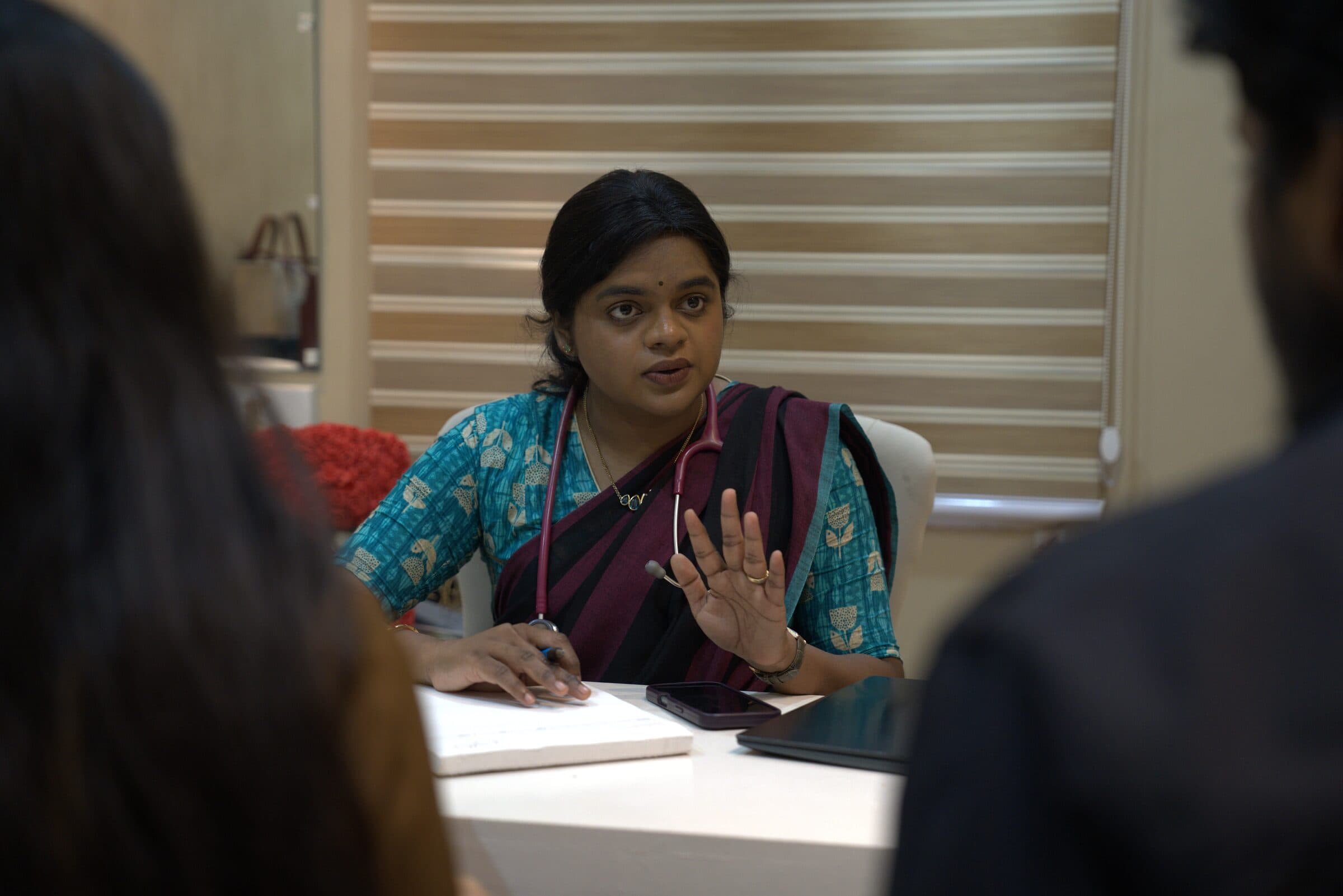
UNDERSTANDING YOUR OPTIONS
One previous C-section doesn't tell the whole story of your next birth.
VBAC means giving birth vaginally after a previous caesarean.
Whether it may be suitable for you depends on your previous birth, medical history and current pregnancy.
Your previous birth
Understand why your earlier caesarean was performed and whether there were complications.
Your current pregnancy
Review your health, your baby's wellbeing and how your pregnancy is progressing.
Your previous caesarean records
The type of incision made on your uterus and your previous surgical records can help guide the assessment.
STARTING THE CONVERSATION
Understanding whether VBAC may be an option for you.
Your previous birth
Discuss your earlier caesarean, the reason it was performed and any previous vaginal births.
Your current pregnancy
Understand the medical factors that may influence your birth options.
Your preferences
Talk about your previous birth experience, concerns and what you hope for this time.
MAKING AN INFORMED DECISION
Understand both options before deciding.
After a previous caesarean, you may be able to consider VBAC or a planned repeat caesarean. Both have benefits and risks.
Potential benefits of VBAC
A successful vaginal birth avoids another operation and may allow a shorter hospital stay and quicker recovery.
Risks to understand
VBAC carries a small but important risk of uterine scar rupture. Some women may require an emergency caesarean during labour.
Planned repeat caesarean
A repeat caesarean is another birth option, with its own benefits, surgical risks and implications for future pregnancies.
Your obstetrician will help you understand these considerations based on your individual circumstances.
YOUR INDIVIDUAL ASSESSMENT
Every pregnancy deserves an individual assessment.
Your obstetrician may consider:
Previous caesarean
The reason for your previous surgery and any complications.
Uterine incision
The type of incision made on your uterus during your previous caesarean.
Previous vaginal birth
Whether you have delivered vaginally before.
Current pregnancy
Your health, your baby's wellbeing and any pregnancy-related complications.
Your birth preferences
Your concerns, expectations and plans for future pregnancies.
PREPARING FOR BIRTH
Prepare for the birth you hope for, while understanding your options.
If VBAC is considered suitable, your obstetrician can guide you through planning for labour.
Before labour
Understand when to contact your maternity team and what to do when labour begins.
During labour
Discuss monitoring, comfort measures and available pain-relief options.
If plans change
Understand when assisted vaginal birth or an emergency caesarean may become necessary.
Planned VBAC requires appropriate fetal monitoring and a maternity facility with immediate access to emergency caesarean care and blood transfusion services.

YOUR FIRST CONVERSATION
Bring your history. Bring your questions.
Review your previous birth
Share your earlier caesarean experience and relevant medical records.
Discuss this pregnancy
Talk about your current health, concerns and birth preferences.
Understand your options
Discuss whether VBAC may be appropriate and what the next steps could involve.

THE PERSON BEHIND YOUR CARE
Your previous birth matters. So does your next one.
Dr. Santoshini Nandigam
MBBS, DNB – Obstetrics & Gynaecology
Founder · Obstetrician & Gynaecologist
Natural Birth & VBAC CareA previous caesarean may leave you with questions about your next pregnancy and delivery.
Dr. Santoshini's approach focuses on understanding your previous experience, reviewing your current pregnancy and discussing your birth options with you.
CARE THAT ADAPTS
“A change in the birth plan doesn't mean your preparation was wasted.”
Labour can be unpredictable, even when VBAC has been carefully planned.
If labour does not progress as expected or concerns arise about you or your baby, your obstetric team may recommend a different approach.
The priority is appropriate medical care, clear communication and informed decisions as circumstances change.
BEFORE YOUR CONSULTATION
What to know before you visit.
The Birthwave
Mahalingapuram Main Road, Nungambakkam, Chennai – 600034
Dr. Santoshini Nandigam
Obstetrician & Gynaecologist
Previous caesarean records, discharge summary, operative notes if available, recent scans and current pregnancy records.
Consultations by appointment.
+91 93630 31925
GOOD TO KNOW
Questions about VBAC.
A previous caesarean doesn't always mean your next birth must be the same.

What does VBAC mean?
Can I have a vaginal delivery after a C-section?
How likely am I to have a successful VBAC?
Is VBAC safe?
Can I consider VBAC after two C-sections?
What if labour needs to be induced?
Does planning VBAC guarantee vaginal delivery?
What happens if VBAC is no longer suitable?
START THE CONVERSATION
Thinking about vaginal birth after a C-section?
Your previous birth is part of your story, but it doesn't have to determine every decision about your next one.
Meet Dr. Santoshini Nandigam to discuss your pregnancy, previous caesarean and the birth options that may be appropriate for you.